Skip to content


If your skin is looking a little dull or uneven lately, you’re not alone. Between sun, stress, and busy city life in Auckland, Sydney, and beyond, radiance can fade fast.
In this guide, we’ll keep it simple. We’ll unpack the brightening ingredients that actually work and we use, from Vitamin C to plant extracts, and show you how to build a gentle, effective routine with ManukaRx.
Table of Contents
Why Vitamin C, and Kakadu Plum, Is the Brightening Essential
If you add one brightening ingredient to your routine, make it vitamin C. It is one of the most researched antioxidants for improving the look of dark spots, evening skin tone, and boosting overall glow.
For skin in New Zealand and Australia, vitamin C does double duty. It supports defence against high UV levels and urban pollution while encouraging a clearer-looking complexion over time.
When choosing a vitamin C serum, look for proven forms such as L-ascorbic acid, 3-O-ethyl ascorbic acid, sodium ascorbyl phosphate, or magnesium ascorbyl phosphate. Choose opaque, air-tight packaging to keep the formula stable. For sensitive skin, calming botanicals like East Cape Manuka Oil can make vitamin C easier to tolerate.
Kakadu Plum is one of the richest natural sources of vitamin C. It contains polyphenols which support brighter, more even-looking skin. In warm, humid cities like Brisbane and Sydney, Kakadu Plum serums feel light on the skin. In cooler, windier regions such as Wellington or Dunedin, layer with moisturiser to prevent tightness.
If you are starting out, try a lower strength of 5 to 10 percent. Most skin types suit 10 to 15 percent when used consistently. Pair vitamin C with daily SPF, especially in high-UV regions.
Use vitamin C in the morning on clean, dry skin, then moisturiser and sunscreen. Night use works too. Consistency matters more than timing. Avoid layering too many active ingredients at once. Keep your routine simple for the first two to three weeks.
To experience a targeted dose of vitamin C backed by brightening botanicals, explore a dedicated brightening formula like the Skin Brightening Vitamin C Serum.
Natural Plant Extracts That Boost Glow, The NZ and AU Edit
Plant extracts can do more than add fragrance. The right ones support brighter-looking skin, calm redness, and keep your barrier comfortable in shifting weather.
Look for antioxidants for glow, soothing oils to reduce visible irritation, and barrier-friendly lipids to seal in hydration.
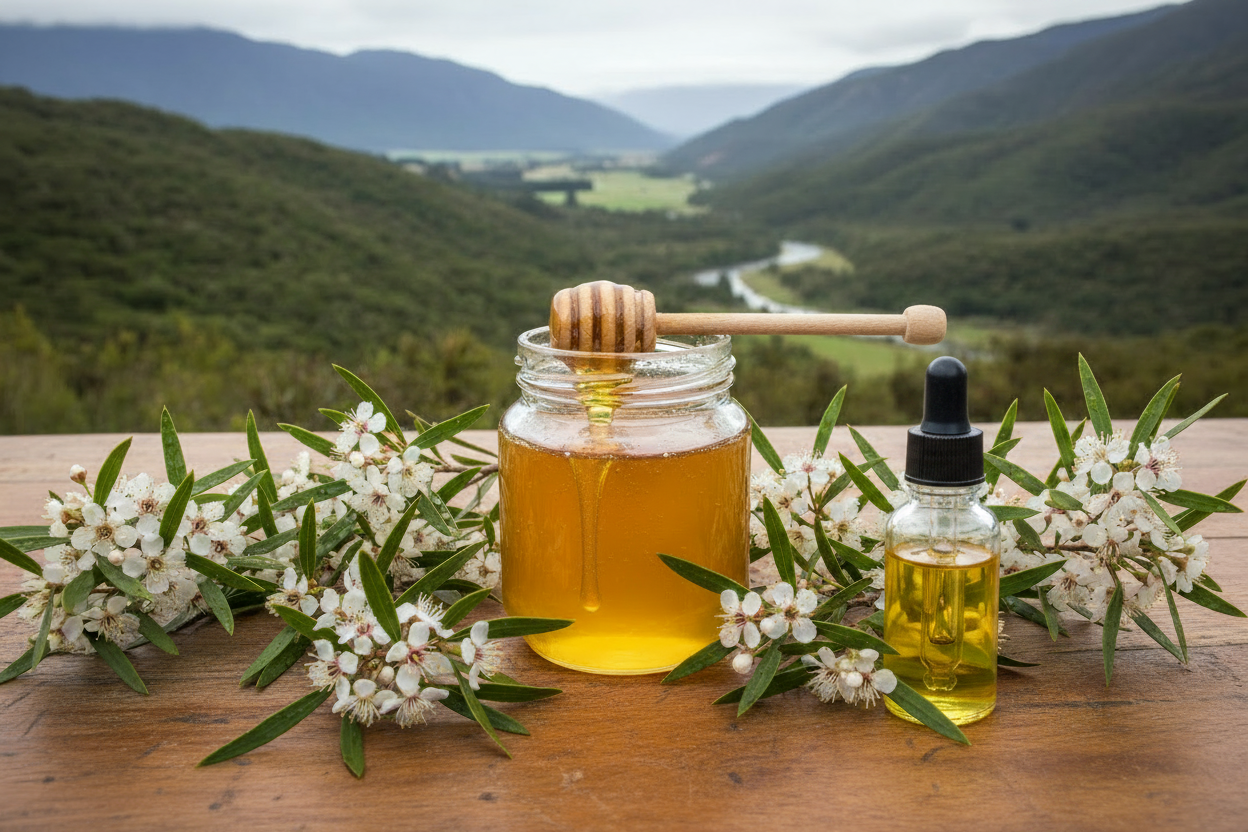
East Cape Manuka Oil is known for balancing blemish-prone skin while keeping it comfortable. You can use 100 percent pure oil for targeted care or choose a blend for daily use. Kakadu Plum supports brightness, especially after summer. Rosehip contains essential fatty acids which keep skin smooth and firm and work well alongside brightening routines.
In coastal areas like Auckland’s North Shore or Perth beaches, skin loses moisture fast. Pair your brightening serum with hydrating cream to avoid dullness linked to dehydration. Do not replace moisturiser with face oil. Oils seal in water but do not add hydration. Apply oil over cream for best results.
For a simple way to add these botanicals into your daily routine, try pairing a vitamin C serum with a brightening moisturiser such as the Daily Glow Brightening Cream or a nourishing face oil like the Manuka Face Oil. For targeted treatment or DIY blending, you can also reach for 100 percent pure East Cape Manuka Oil.
Gentle Exfoliation for Radiance Without Irritation
Exfoliation removes dull surface build-up so brightening products absorb evenly. Keep it gentle and consistent, especially during dry winters or hot Australian summers.
If you use vitamin C, exfoliate carefully. Choose fine, rounded physical polishers once or twice weekly. Lactic or mandelic acid suits sensitive skin. Start once a week at night. After exfoliating, apply a hydrating mist and moisturiser to reduce tightness.
If your skin feels tight, looks shiny yet dehydrated, or stings, you are over-exfoliating. Scale back and focus on hydration for a week.
To keep exfoliation kind to your barrier while supporting glow, consider a gentle, oil-based exfoliating step like the Rejuvenating Manuka Oil Exfoliant, and follow with a hydrating mist such as the Hydrating Mist Toner.
A Simple Brightening Routine for Morning and Night
A clear routine works best. Cleanse, treat, moisturise, protect.
Morning
- Cleanse with a gentle formula.
- Apply vitamin C serum.
- Use eye cream if needed.
- Seal in hydration with moisturiser.
- Finish with broad-spectrum SPF every day. UVA exposure remains high year-round in New Zealand and Australia.
Night
- Cleanse thoroughly but gently.
- Mist if skin feels tight.
- Apply vitamin C or exfoliate on alternate evenings.
- Finish with a nourishing night cream.
If you prefer a minimal option, cleanse and use a brightening duo morning and night.
Adjust for your skin type. Keep textures light if you are oily or blemish-prone. Add facial oil over cream during winter or if your skin feels dry. Exfoliate weekly if texture looks rough.
To build this kind of simple, brightening-focused routine, you can combine a gentle cleanser like the Vitamin C Gel Cleanser with the Skin Brightening Vitamin C Serum and a brightening moisturiser such as the Daily Glow Brightening Cream. If you enjoy curated sets, explore a duo like the Brightening Duo or a complete routine such as the Skin Brightening Gift Set.
FAQ
Is vitamin C safe for sensitive skin?
Yes. Start once daily and introduce it slowly. Pair with moisturiser.
Can you use vitamin C with niacinamide?
Yes. Many people layer them. Keep the rest of your routine simple at first.
How long before you see results?
A fresher glow often appears within weeks. A more even tone can take six to eight weeks. Daily sunscreen maintains results.
Brighter skin does not require a long routine. Use proven ingredients consistently and protect your skin with SPF under the strong NZ and AU sun.
If you are ready to put these ingredients into practice, explore the brightening skincare collection at ManukaRx and build a routine tailored to your skin, climate, and lifestyle.
Sources
-
Cosmetic Ingredient Review. Safety Assessment of Ascorbic Acid, Calcium Ascorbate, Magnesium Ascorbate, Magnesium Ascorbyl Phosphate, Sodium Ascorbate, and Sodium Ascorbyl Phosphate as Used in Cosmetics.
-
Journal of Clinical and Aesthetic Dermatology. Topical Vitamin C and the Skin: Mechanisms of Action and Clinical Applications.
-
International Journal of Cosmetic Science. The role of plant extracts rich in polyphenols in skin brightening and antioxidant support.